
How to Sell Land Online in Louisiana
Selling land online can work in Louisiana, but raw land is harder to market than a house. Buyers want maps, parcel details, access information, and enough confidence to believe the listing is real. This guide breaks down what it takes to sell land online, when an online listing makes sense, and when a direct buyer is the simpler option.
The online path starts with packaging. A bare-bones post with one photo and no parcel information will not do much, especially for rural or hard-to-value land. Buyers want the APN or parcel number, acreage, road frontage, nearby market references, tax information, and a clear explanation of what the land is good for.
Online listings can bring exposure, but they also bring noise. A seller should expect low-quality leads, financing questions, and people who want more due diligence than they are willing to do themselves. That does not mean the online route is wrong. It means the owner should go in with a plan instead of assuming the listing will sell the property for them.
Best Places to Market Louisiana Land Online
Different platforms attract different buyers. General marketplaces can generate broad traffic, but land-specific marketplaces often do a better job attracting people who understand acreage, zoning, road access, and rural property. Social media and local classified channels can also help, but they usually work best as supporting channels rather than the entire strategy.
What matters most is consistency. The same pricing, acreage, legal description, and contact information should appear everywhere the property is marketed. If one listing says owner financing is available and another does not, or if the acreage changes from site to site, buyers lose trust quickly.
It is also worth deciding what kind of buyer you actually want. A small homesite lot, a hunting tract, and a parcel with development potential all need different emphasis in the listing. Owners who write to the likely buyer usually get better conversations than owners who post a generic ad and hope the right person figures it out.
How to Build a Listing That Gets Real Responses
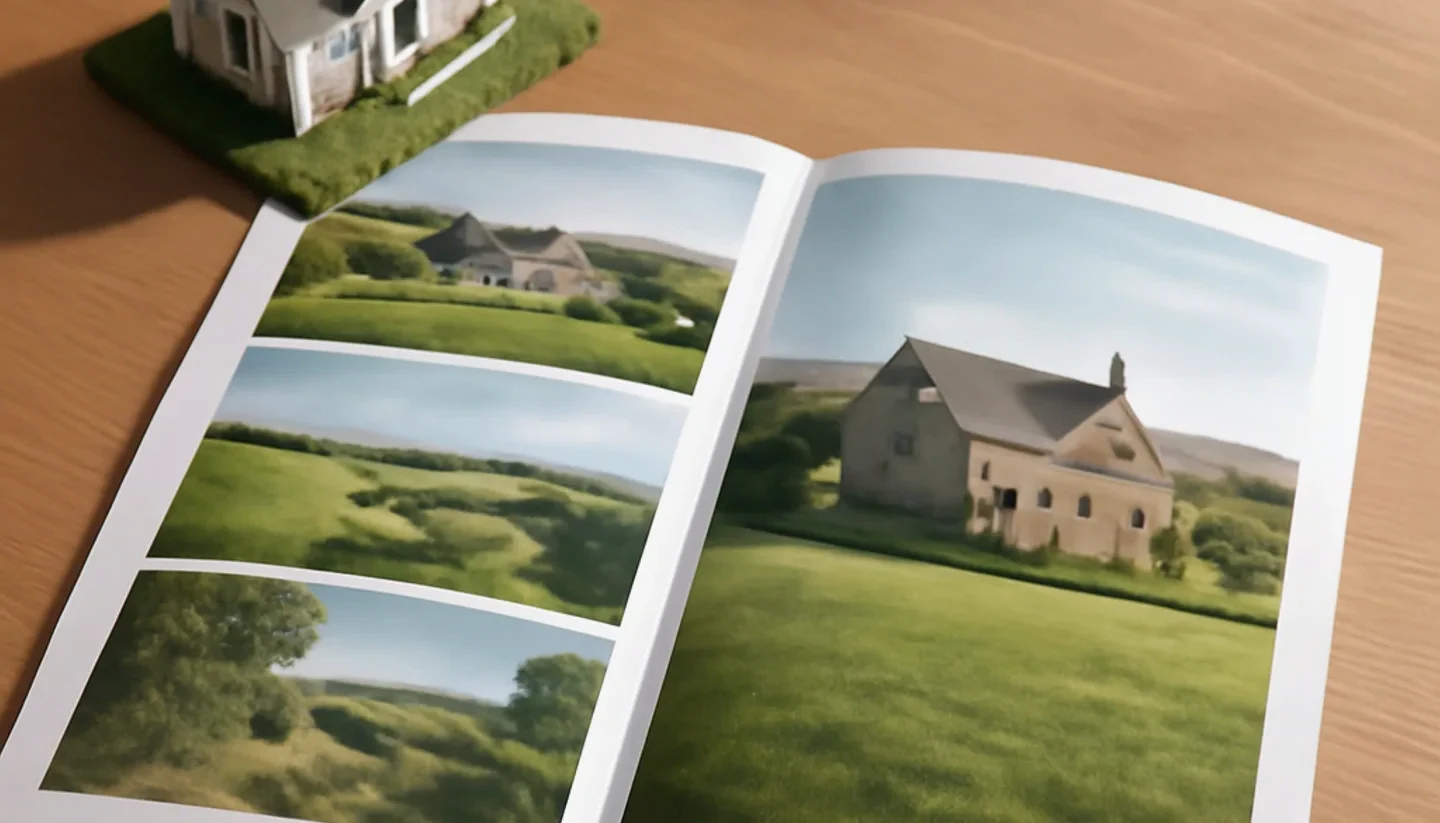
The strongest land listings answer obvious questions before the buyer has to ask them. Good photos matter, but so do boundary maps, directions, nearby landmarks, flood or drainage notes, and a realistic description of what a buyer is actually getting. A good listing also acknowledges limitations. If the parcel has no utilities, if it needs survey work, or if access is indirect, say that clearly.
In other words, online land marketing works best when the seller is reducing uncertainty. A buyer who can understand the parcel from the listing is much more likely to call than a buyer who has to guess what the owner is really selling.
That same clarity should carry into the first phone call or email exchange. If the buyer asks about access, taxes, flood exposure, or utilities, a seller who already has those facts ready will keep momentum. A seller who has to say "I think so" to every question usually slows the process down fast.
Pricing, Follow-Up, and Filtering Out Weak Leads

Pricing is where many landowners lose momentum. If the list price is too high, the property sits and the seller starts chasing the market down. If the price is too low, the listing attracts fast responses but leaves money on the table. The better approach is to review comparable land sales, current competing inventory, and the property’s limitations before setting the asking price.
Lead handling matters just as much as price. Sellers who list land online should expect questions about financing, surveys, access, and closing costs. Some buyers are serious; many are not. The owner needs a process for qualifying leads, following up, and knowing when a conversation is going nowhere.
One simple way to protect your time is to decide what counts as a qualified lead before the property goes live. If someone cannot explain how they plan to pay, has not reviewed the location, or starts with unrealistic discount demands, that tells you a lot. The goal is not to be difficult. It is to keep the listing from becoming a stream of dead-end conversations.
What Happens After You Find a Buyer Online
Getting interest is only the first half of the process. A real sale still depends on a purchase agreement, title review, and a closing path that works. Some buyers will ask for long due-diligence periods or financing contingencies. Others may want owner financing even when the seller wants a clean cash exit.
That is why online land sales are not automatically easier than direct sales. The seller still has to move the buyer from inquiry to signed contract to closing, and that often means more administrative work than owners expect at the beginning.
This is where some owners realize that what they needed was not more online exposure but a more reliable path to closing. If the property is awkward, rural, or time-sensitive, the simplicity of dealing with one experienced buyer can become much more attractive than maintaining listings across multiple sites.
Selling Online vs. Selling to a Direct Buyer
The online route is best for owners who can wait, handle buyer communication, and present the parcel well. It can expose the property to more people, but it also increases the number of dead-end conversations and failed deals. A direct buyer trades some of that exposure for speed and clarity. The seller is usually dealing with one party that can evaluate the parcel, review title, and move toward closing without requiring the owner to run a marketing campaign.
For landowners who want a predictable exit, especially on rural or imperfect property, the direct-buyer route often ends up being the cleaner option. The question is not which path sounds better in theory. It is which path fits the owner’s time, tolerance for follow-up, and the property itself.
Where Sellers Usually Go Next
After reading this guide, many owners compare the online-listing option with a local cash-offer page. Useful next steps include selling land in Baton Rouge, selling land in Lake Charles, and selling land in St. Tammany Parish. If you would rather skip the listing process and get a direct review of the parcel, you can also contact us here.
Frequently Asked Questions
What is the best site to sell land?
There is no single best site for every parcel. Land-specific platforms usually attract more serious buyers than general marketplaces, but the strongest results come from good pricing, clear maps, and a complete listing.
Do I need professional photos to sell land online?
Not always, but you do need useful visuals. Clear ground photos, map views, and basic parcel context make a major difference because buyers cannot evaluate vacant land the way they evaluate a house.
Can I handle the closing remotely?
Often yes. Many land closings can be handled through a title company, notary, and electronic communication, but the exact process depends on the buyer, the documents involved, and the title work.
Why does listed land get lots of inquiries but no offers?
Usually it comes down to pricing, unclear parcel details, weak photos, or the fact that many online leads are casual browsers rather than ready buyers.
Need to sell your Louisiana land? We buy land directly from owners for cash, with no fees, no commissions, and we close in as little as 2 weeks.