
Legal Documents for Selling Land in Louisiana
Landowners often ask what paperwork they actually need before selling, and the honest answer is that it depends on the parcel and the title history. Still, most Louisiana land sales turn on the same handful of documents: proof of ownership, a clear legal description, a purchase agreement, and clean closing paperwork. This guide breaks down the main documents sellers should expect and why they matter.
The most important point is that land buyers want certainty. They want to know who owns the property, what exactly is being sold, whether there are title problems, and whether the seller has authority to sign. If those questions are answered early, the paperwork feels manageable. If not, every missing document creates delay.
That is why sellers should think about documents before they think about marketing. A strong land sale is not only about finding a buyer. It is about being able to move from offer to closing without discovering that a key deed, affidavit, survey, or succession record is still missing.
The Deed and the Legal Description
The deed is the foundation of the file because it shows how title was conveyed into the seller’s name. Buyers and title companies will also look closely at the legal description, especially on rural parcels or land that has changed over time. If the description is vague, outdated, or inconsistent with tax records, that can lead to extra title work before closing.
Sellers do not always need a new survey before listing or selling, but they should know whether the boundaries are clear enough for the buyer’s comfort. If the property has access questions, acreage uncertainty, or any history of informal family transfers, those issues tend to surface during title review.
That does not mean every older parcel is a problem. It means the seller should respect the file. A deed that makes sense to the family may still raise questions for a title examiner who is trying to insure the transfer, especially if older descriptions, partial interests, or informal family arrangements are involved.
The Purchase Agreement and Sale Terms
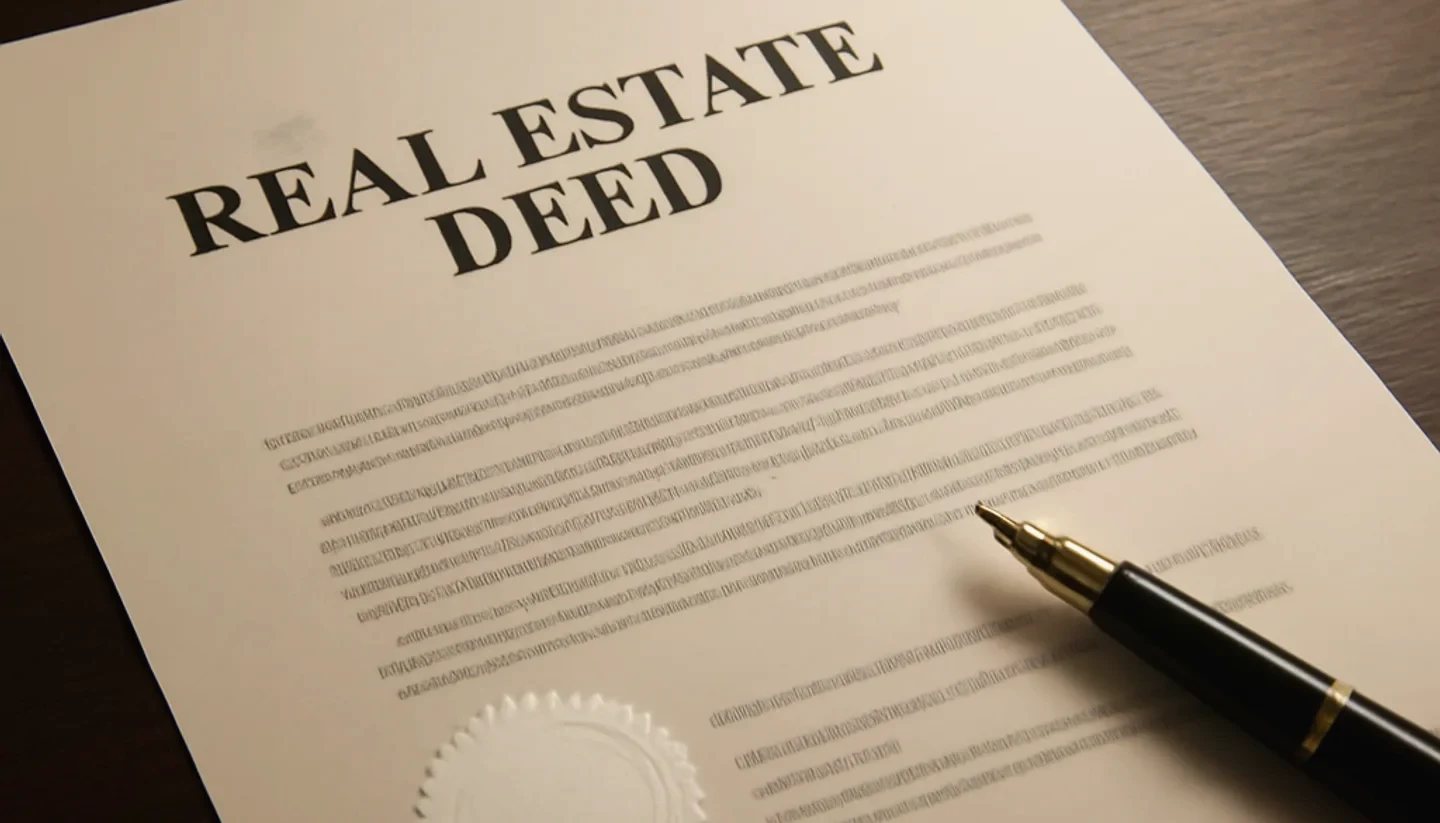
Once a buyer is interested, the purchase agreement becomes the main roadmap for the transaction. It sets out the price, earnest money, due-diligence period, closing date, and who is paying which closing costs. For land deals, it is especially important to be clear about contingencies, because buyers may ask for extra time to confirm zoning, access, utilities, or intended use.
A weak or vague contract can create more problems than it solves. Sellers should understand what the buyer can cancel for, how long the inspection period lasts, and what happens if title issues are discovered. Those details matter far more on land than many owners expect.
Owners selling by themselves should be especially careful here. Saving commission does not help much if the agreement leaves the hard questions unresolved. A clear purchase agreement creates structure, while a vague one often creates more negotiation after everyone thought they already had a deal.
Title Work, Affidavits, and Curative Documents
Many land sales need more than a deed and a contract. Title companies may ask for affidavits, entity documents, death certificates, judgments of possession, succession records, or other curative paperwork to make title insurable. None of that means the sale is broken. It simply means the closing file needs enough documentation to support clean transfer.
This is where sellers often lose time. They assume title work is a back-office detail, but on land it can become the main event. If you already know there are old family transfers, missing heirs, unpaid taxes, or ownership questions, it is better to say that early than let it surprise everyone near closing.
Curative work is usually manageable when it is discovered early. The real problem is when no one looks closely until a week before closing. Early disclosure and early review are what keep many land deals from turning into last-minute scrambles.
Other Documents That Often Matter in Land Deals
Depending on the parcel, buyers may also ask for tax bills, a survey, access agreements, entity resolutions, property maps, environmental disclosures, or correspondence related to zoning or use. Not every file needs every document, but every file needs enough support for the buyer to feel comfortable and for the closing agent to do the transfer correctly.
Owners selling inherited land or family-held property should be especially careful here. The land may have changed hands informally inside the family, while the public records tell a more complicated story. If that is the case, collecting supporting documents early can save weeks later.
When in doubt, organize the file as if someone outside the family had to understand it cold. A buyer, title company, or attorney should be able to see what the parcel is, who owns it, and what still needs to be cleaned up. That mindset alone improves a lot of land closings.
By-Owner Sale vs. Direct Buyer Sale
A by-owner sale usually means the seller is gathering documents while also handling marketing and buyer questions. That can work, but it puts more pressure on the seller to stay organized and responsive. A direct buyer often simplifies the front end because there is only one serious party evaluating the file and working through title items.
The direct route does not remove the need for documents. It usually just makes the process more linear. Instead of collecting paperwork for multiple buyer prospects, the seller is working toward one actual closing path.
Where Sellers Usually Go Next
Most owners reading about documents want to compare the paperwork side with a live offer path. Useful next steps include selling land in Orleans Parish, selling land in East Baton Rouge Parish, and selling land in New Orleans. If you want us to review a parcel and tell you what usually matters before closing, you can also contact us here.
Frequently Asked Questions
What are the most important documents in a land sale?
Usually the deed, a clear legal description, a written purchase agreement, and whatever title or curative documents are needed to transfer clean ownership at closing.
Do I need a survey to sell land?
Not always. Some deals close without a new survey, but boundary uncertainty, access issues, or acreage questions can make one more important.
What if the deed history is messy?
That is common in land deals. A title company may ask for affidavits, succession records, or other curative paperwork before the sale can close.
Can I sell by owner and still use a title company?
Yes. Many by-owner land sales still use a title company or closing attorney to handle the transfer documents and closing process.
Need to sell your Louisiana land? We buy land directly from owners for cash, with no fees, no commissions, and we close in as little as 2 weeks.