
Selling Land to a Developer in Louisiana
Some parcels are worth more to a developer than to an ordinary end buyer, but developer deals are rarely simple. They come with due diligence, contingencies, and a different style of negotiation than a normal land sale. This guide explains what Louisiana landowners should expect when they are considering a developer offer.
Developers typically buy with a plan. They are not just looking at the dirt. They are looking at zoning, road access, utility availability, drainage, entitlement risk, density potential, and what the finished project could become. That means they often ask more questions up front than a typical cash buyer.
For some owners, that can be a good thing because a developer may see upside in the parcel that an ordinary buyer does not. For others, it can mean a longer contract, more contingencies, and more uncertainty before the deal becomes real.
What Developers Usually Look For
Location matters first. Parcels near growth corridors, expanding suburbs, commercial nodes, or utility infrastructure usually get more developer attention than isolated land with limited access. Size also matters, but not always in the way owners expect. A smaller tract in the right path of growth can be more interesting than a larger tract with weak access or heavy site constraints.
Developers also care about what could stop the project. Wetlands, flood concerns, road improvements, subdivision requirements, utility extensions, and neighborhood opposition can all affect the offer. That is why a developer’s price is often tied to conditions outside the owner’s control.
Owners sometimes assume a developer is paying only for current value, but that is rarely the whole picture. The developer is usually modeling what the site could become and discounting back for the cost, time, and risk involved in getting there. Understanding that mindset makes the conversation much easier to evaluate.
How the Developer Due-Diligence Process Works
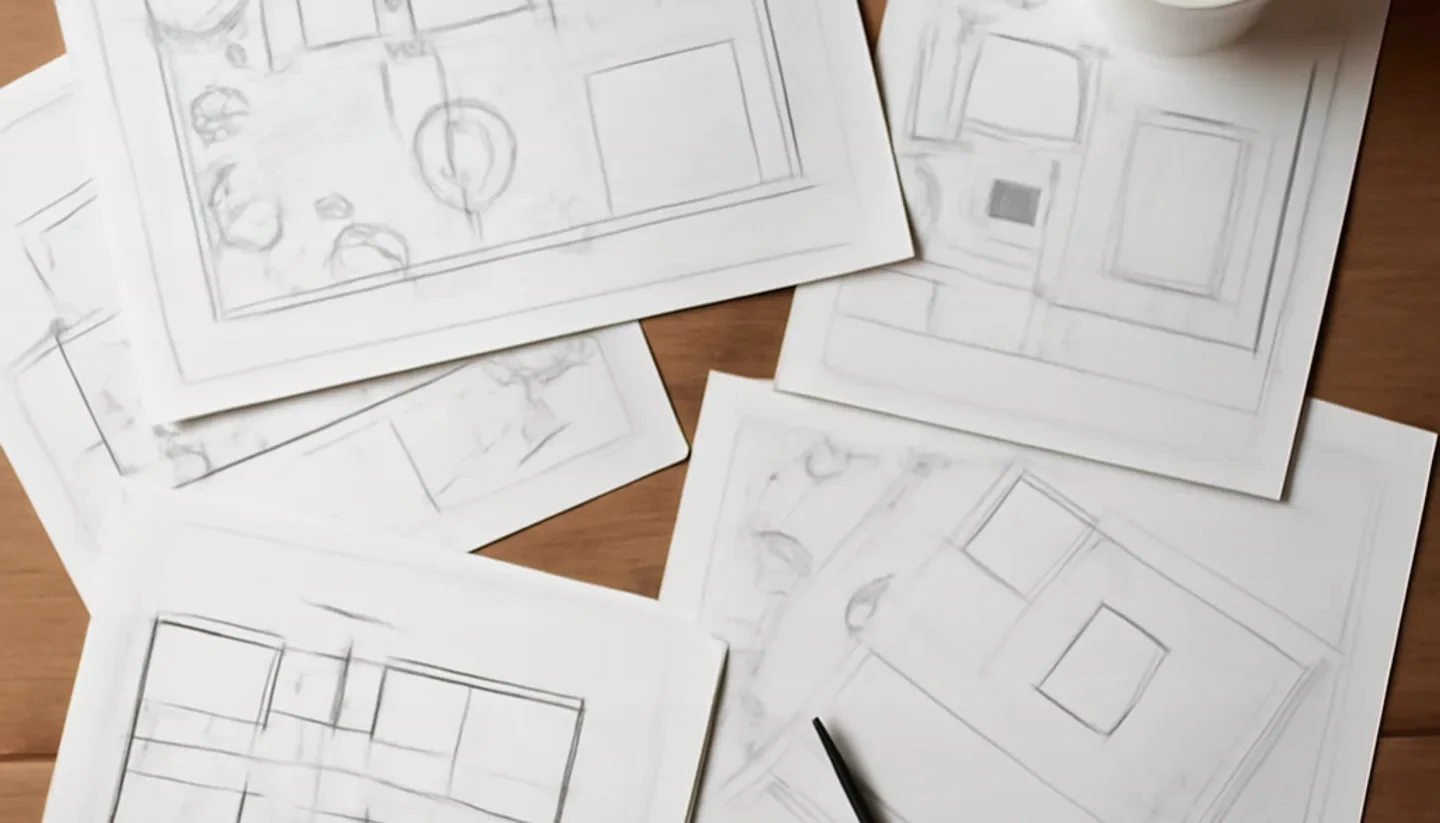
Many developer contracts include long inspection or feasibility periods. During that time, the buyer may study engineering, zoning, environmental issues, utilities, and market demand. The seller may have a signed contract, but the deal is not final until the buyer decides those conditions are workable.
This is the part many landowners underestimate. A developer can seem committed and still walk away months later if the project economics change. That does not make the offer fake. It just means the contract is tied to a business model, not simply to the land itself.
That is why contract timing matters so much. If the owner needs certainty, a long diligence period may be more expensive than it first appears. While the buyer studies the site, the owner is usually not pursuing other offers, and the property is effectively tied up.
Negotiating with a Developer

When negotiating with a developer, the important terms are not just the price. Sellers should pay close attention to the feasibility period, extension rights, access rights before closing, assignment rights, and who bears the cost of title or site-related problems. A high headline number does not help much if the buyer can tie up the property for months and then cancel easily.
It also helps to understand what leverage you actually have. If the parcel is unique for the buyer’s plan, the seller may be able to push for better terms. If there are many substitute sites available, the buyer will usually have more room to dictate the contract.
A useful negotiation question is simple: what is the buyer actually committed to today? If the answer is mostly optionality and future study, the owner should factor that uncertainty into the decision. A cleaner contract with a lower price can be stronger than a higher number that is easy for the buyer to abandon.
Developer Offer vs. Direct Buyer Offer
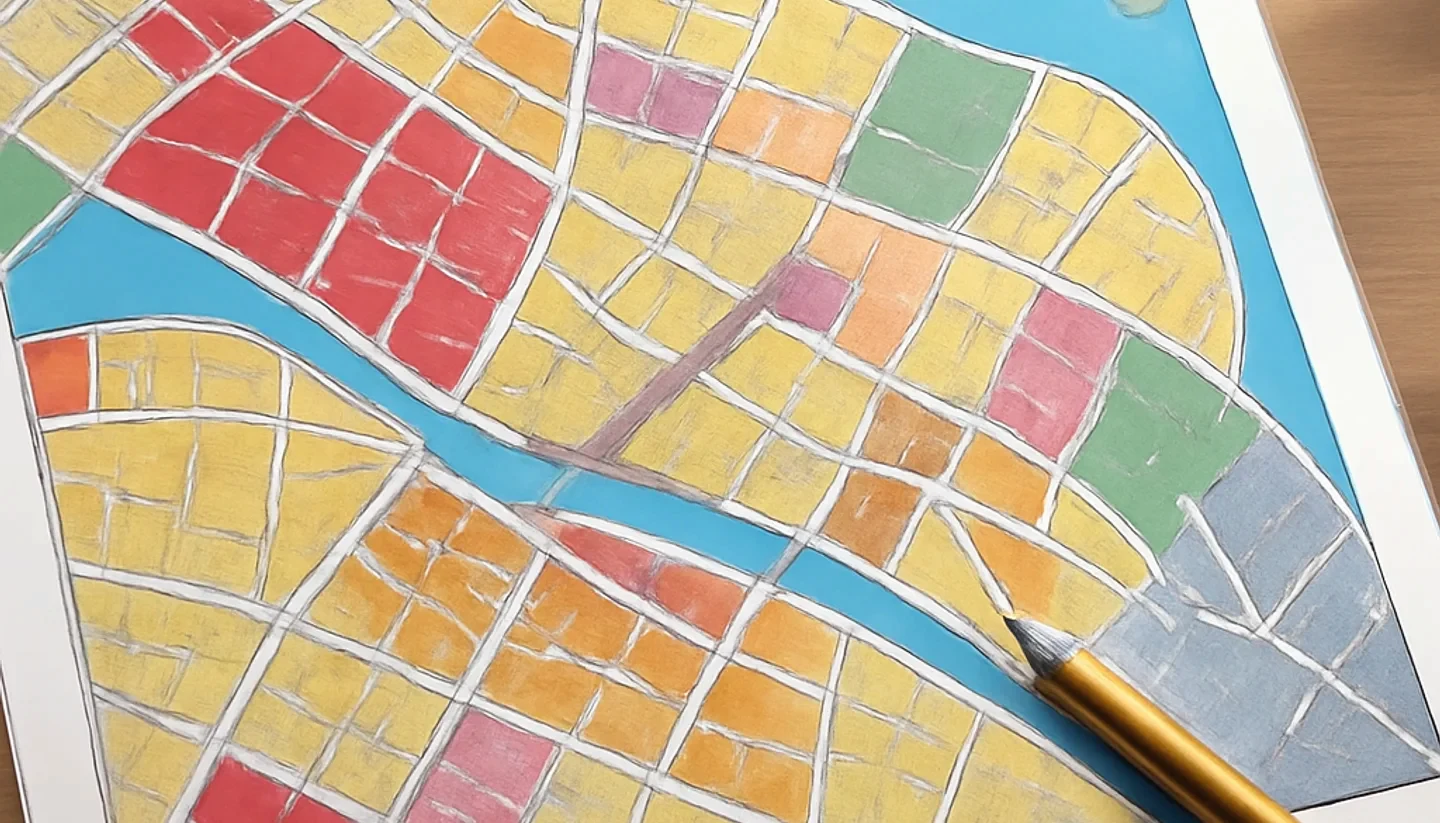
A developer may offer more than a direct buyer if the parcel has real upside for a future project. But the timeline is usually slower, and the certainty level is lower. A direct buyer typically offers a simpler trade: a lower but more immediate price in exchange for faster closing and fewer contingencies.
That difference matters. If the owner needs a reliable closing, wants to avoid months of uncertainty, or is dealing with title or family issues, a direct buyer may be the stronger fit. If the owner has patience and the parcel clearly has development potential, a developer conversation may be worth having.
In practice, some owners talk to both types of buyers. That can be useful because it reveals both the upside case and the certainty case. Even if the owner ultimately chooses a developer, knowing the direct-buyer alternative usually leads to better expectations and better negotiation discipline.
How to Decide Which Path Fits Your Goals
The right path depends on whether the owner is optimizing for maximum upside or a cleaner exit. Owners who can tolerate a longer timeline and more diligence may benefit from exploring developer interest. Owners who want a straightforward sale with fewer moving parts often choose a direct buyer instead.
It also depends on the land itself. A parcel with entitlement upside is different from a rural tract that will likely appeal to small buyers, neighbors, or recreational users. The more honest you are about the property’s real best use, the easier it is to choose the right sales path.
Where Sellers Usually Go Next
Owners comparing developer interest often move next to a local market page or a direct-offer page. Useful next steps include selling land in Jefferson Parish, selling land in Baton Rouge, and selling land in Lafayette Parish. If you want a direct opinion on the parcel before negotiating with anyone, you can also contact us here.
Frequently Asked Questions
How much will a developer pay for land?
It depends on location, zoning, access, utilities, and what kind of project the developer believes the site can support. A developer is usually pricing the land based on future use, not just current acreage.
Why do developer contracts take longer?
Because they often include feasibility studies, entitlement review, environmental work, and longer contingency periods than a standard direct cash purchase.
Should I always take the highest developer offer?
No. You should compare the price with the contract terms, timeline, cancellation rights, and the actual chance of reaching closing.
Can I still sell to a direct buyer if a developer offer feels too uncertain?
Yes. Many owners compare both paths before deciding, especially when they value certainty more than speculative upside.
Need to sell your Louisiana land? We buy land directly from owners for cash, with no fees, no commissions, and we close in as little as 2 weeks.